
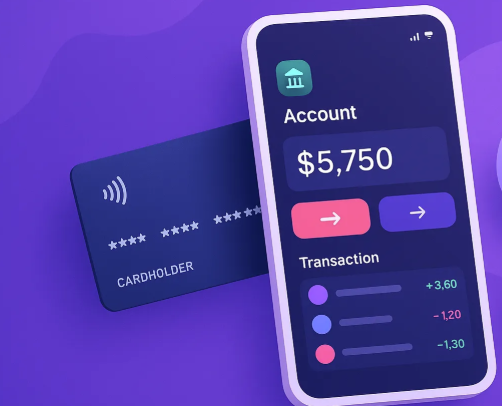
The financial landscape has undergone a dramatic transformation in the last decade, primarily driven by the rise of neobanks (or challenger banks). These digital-only entities, operating without physical branches, have redefined user expectations regarding speed, fees, and user experience.
While traditional banking giants boast centuries of trust and massive asset bases, neobanks offer agility and innovation. The critical question for the modern consumer and investor is: are these digital challengers ready to fully replace the established institutions, or will a hybrid model prevail?
Neobanks: The Digital Differentiators
Neobanks have successfully carved out a significant market share by addressing the pain points of legacy banking systems. Their core advantages stem from their lean, digital-native structure.
- Low Operating Costs, Low Fees: Without the overhead of thousands of physical branches, neobanks operate at a fraction of the cost of traditional banks. This efficiency is directly passed on to customers through zero monthly fees, free basic transactions, and competitive currency exchange rates.
- Superior User Experience (UX): Neobanks focus relentlessly on mobile-first design. Account opening takes minutes, not weeks. Features like real-time spending notifications, instant budgeting tools, and in-app card freezing are standard.
- Speed and Accessibility: Instant peer-to-peer payments and immediate notification of transactions satisfy the modern demand for real-time finance.
The Traditional Bank’s Unmatched Strengths
Despite the digital surge, traditional banks (or incumbents) hold crucial advantages that neobanks struggle to replicate.
- Trust and Stability (Regulatory Moat): Traditional banks generally hold full banking licenses (while many neobanks operate using partner licenses). This difference means traditional banks directly benefit from deposit insurance (like FDIC in the US or FSCS in the UK) and are regulated by central authorities, providing a level of systemic trust and stability that appeals to high-net-worth individuals and large corporations.
- Complex Financial Products: Neobanks excel at checking accounts, savings, and simple lending. However, they typically lack the scale and infrastructure for complex services such as syndicated corporate loans, proprietary trading, comprehensive wealth management, and sophisticated mortgage origination.
- Branch Network for Complex Needs: While costly, the physical branch remains essential for certain life events—signing complex legal documents, dealing with inheritance, or seeking in-person consultation for significant business loans.
The Roadblocks to Full Neobank Replacement
The path to replacing traditional banks is riddled with challenges for neobanks:
| Challenge | Neobank Limitation | Investor/Consumer Risk |
| Monetization | Primarily relies on interchange fees (swiping cards) or small subscription fees. | Difficult to achieve profitability compared to the incumbents’ lending profits. |
| Lending Risk | Limited historical credit data and often relies on riskier, short-term lending models. | Higher risk of credit default during economic downturns, potentially impacting stability. |
| Trust/Security | While highly secure, public perception of digital-only security remains a concern for older demographics. | A major service outage or hacking incident could severely erode customer confidence. |
| Regulatory Burden | As they grow, regulators impose stricter capital and compliance requirements, increasing costs. | The initial cost advantage is slowly eroded as regulatory compliance scales up. |
The Hybrid Future: Convergence is Inevitable
The most likely scenario is not a full replacement, but convergence. Both models are learning from the other:
- Incumbents are going “Neo”: Traditional banks are aggressively launching their own digital-only subsidiaries (e.g., Goldman Sachs’ Marcus) and investing heavily in their mobile apps to mimic the neobank UX.
- Neobanks are going “Bank”: Neobanks are working hard to obtain full banking licenses, expand their lending capabilities, and offer basic investment products to secure stable revenue streams.
The end result will be a market where the consumer benefits from the strengths of both: the speed and experience of the neobank married with the stability and product depth of the traditional bank.
Conclusion
Neobanks have fundamentally reset the bar for consumer banking service and usability. They have captured the attention and accounts of millions, particularly the younger, digital-native demographic. However, their reliance on external licensing, their unproven resilience through a major global credit crisis, and their limited product depth mean they are not yet ready to fully usurp the role of traditional institutions. The future of banking is likely a two-tiered system where neobanks handle daily, high-frequency transactions, while traditional banks remain the secure foundation for systemic stability, complex capital needs, and long-term trust.