
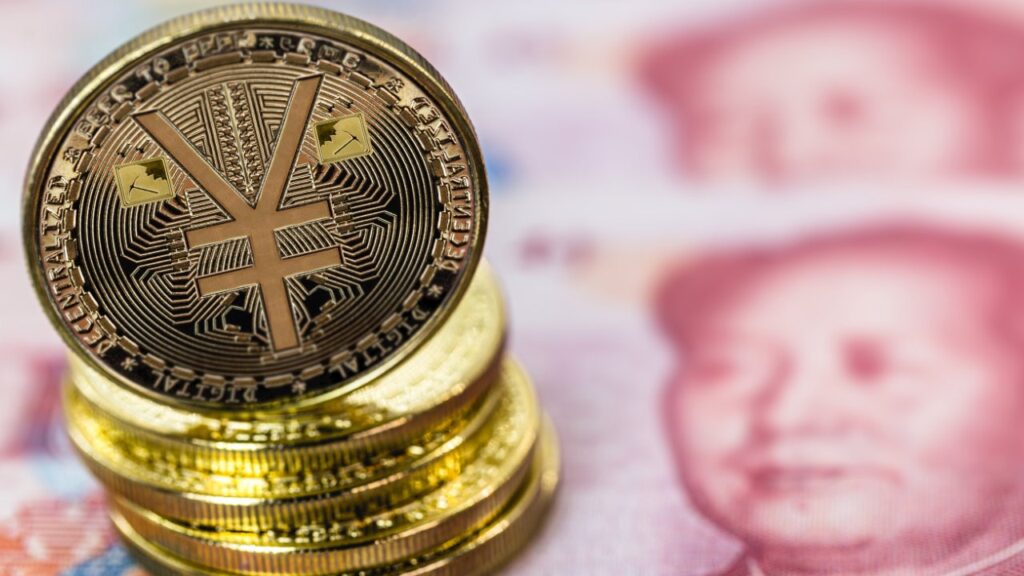
The rise of the Chinese Yuan (RMB) is a key part of the global “de-dollarization” trend. As the world’s second-largest economy, China wants to promote its currency internationally. Recently, geopolitical tensions and US sanctions have accelerated this goal.
For investors, the shift toward a multipolar currency system is a major event. However, we must ask: is the Yuan a true challenger to the dollar, or just a regional tool? Understanding its potential and its limits is essential.
How the Yuan is Gaining Ground
China uses a pragmatic approach to boost the Renminbi. Currently, it focuses on three main pillars:
- Trade Settlement: China now settles more trade in Yuan than ever before. This is especially true for oil and gas deals with partners like Russia and Saudi Arabia.
- Alternative Systems (CIPS): China developed the Cross-Border Interbank Payment System (CIPS). This system works alongside SWIFT. It allows emerging economies to trade without relying on US-centric infrastructure.
- Currency Swap Lines: The People’s Bank of China (PBOC) has signed swap agreements with dozens of central banks. These lines provide liquidity and encourage partners to hold the Yuan.
Major Hurdles: Why the Dollar Still Leads
Despite this growth, the Yuan faces structural obstacles. These issues prevent it from becoming a top-tier global reserve currency today.
| Obstacle | Why it Matters for Investors |
| Capital Controls | China restricts money movement. This limits liquidity for foreign investors who need to move funds easily. |
| Managed Rate | The PBOC manages the exchange rate. Because it doesn’t “float” freely, investors may lack confidence in its market value. |
| Shallow Markets | China lacks the deep, transparent bond markets found in the US. There are fewer places to “park” trillions of dollars safely. |
| Trust & Rule of Law | A lack of independent judicial oversight can undermine the trust needed for a global “safe haven” currency. |
Investment Outlook: Strategic Exposure
The Renminbi is a story of trade and regional influence, not global supremacy. For investors, the Yuan offers a way to diversify risk and access growth.
- Fixed Income: Chinese government bonds (CGBs) often provide higher yields than developed markets.
- ETFs and Indices: Investors can use ETFs to capture growth in Chinese equities denominated in RMB.
- Currency Hedging: Holding offshore Yuan (CNH) can act as a hedge against a weaker US dollar.
Conclusion: A Powerful “Second Tier” Currency
The Renminbi is successfully becoming a vital “second tier” reserve currency. It is a powerful tool for trade, but it is not yet a replacement for the Dollar or the Euro as a primary store of value. Investors should see the RMB as a diversification asset driven by China’s economic might, rather than a new global hegemon.