More Than Just an Acronym
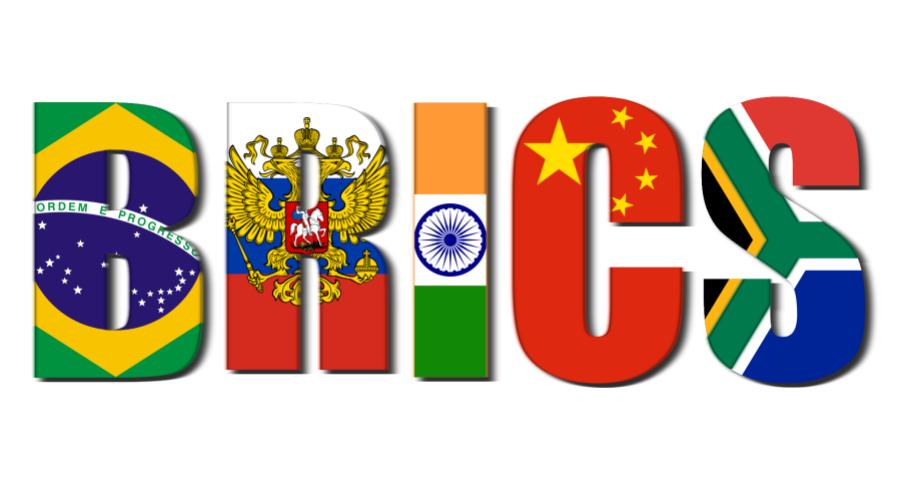
The BRICS group—originally Brazil, Russia, India, China, and South Africa—has expanded its membership to include key oil producers and regional powers. This bloc is now more than just an economic term; it is a geopolitical alliance working to reshape the global financial order.
At the core of the BRICS mission is de-dollarization: reducing global reliance on the US Dollar for trade and reserves.
For the prudent investor, the BRICS movement is not an investment in itself, but a major trend that increases the risk of holding too much USD. This article looks at the practical ways the BRICS bloc challenges the dollar and what that means for diversification.
How the BRICS Challenge the Dollar
The bloc has two main strategies to reduce the dollar’s power:
1. Promoting Local Currency Trade
The key action is signing trade agreements that bypass the USD.
- Bilateral Deals: For example, China and Brazil agree to settle trade directly in Yuan and Real, not Dollars. This reduces the demand for USD in global commerce.
- The Goal: Over time, this shifts billions of dollars in transaction volume away from the US financial system.
2. Creating a Counter-Institution
BRICS nations are building their own alternatives to Western-led financial institutions.
- The New Development Bank (NDB): Often called the “BRICS Bank,” the NDB funds infrastructure projects within member states and promotes lending in local currencies instead of dollars.
- The Counter-Argument: While these institutions are growing, they are still far smaller than the World Bank or the International Monetary Fund (IMF).
Investment Implication: The Rise of Emerging Market Currencies
The BRICS movement is the engine behind the growing importance of currencies like the Chinese Yuan and Indian Rupee.
- The Yuan’s Role: China is the largest and most powerful economy in the bloc. The Yuan (RMB) is the primary non-USD currency being pushed into global trade.
- Oil for Local Currency: As key oil producers join BRICS, the shift toward accepting local currencies for oil sales (the end of the “petrodollar”) becomes a real, though slow, possibility.
BRICS is Geopolitics, Not Investment
For the careful investor, BRICS is a risk signal, not an investment guide.
- High Currency Risk: Emerging market currencies are highly volatile. They are tied to local political risk, corruption, and unstable policy-making.
- No Single Asset: There is no single “BRICS currency” or “BRICS ETF” to buy. The investment opportunity is through the underlying assets that benefit from the shift (e.g., gold and key energy currencies).
Conclusion: A Slow, Steady Threat
The BRICS bloc is focused on reducing US influence, not on creating a single, superior currency. The bloc’s success is slow and relies heavily on China’s economic power.
For the prudent investor, the BRICS movement confirms the need to diversify. It provides a strong reason to hold alternatives like Gold and high-quality developed-market currencies like the Euro, rather than attempting to invest in volatile emerging market currencies directly.