
How Algorithms Truly Measure the ESG Score
Ethical investing, or Socially Responsible Investing (SRI), has moved from a niche concept to a mainstream financial trend. At the core of this revolution are the ESG (Environmental, Social, and Governance) criteria. However, the rapid growth of SRI has brought a major challenge: “greenwashing,” where companies present an ethical facade to attract capital without genuine commitment.
In the Big Data era, Artificial Intelligence (AI) emerges as the most powerful tool for separating fact from fiction, transforming ESG assessment from a subjective exercise into an objective data science.
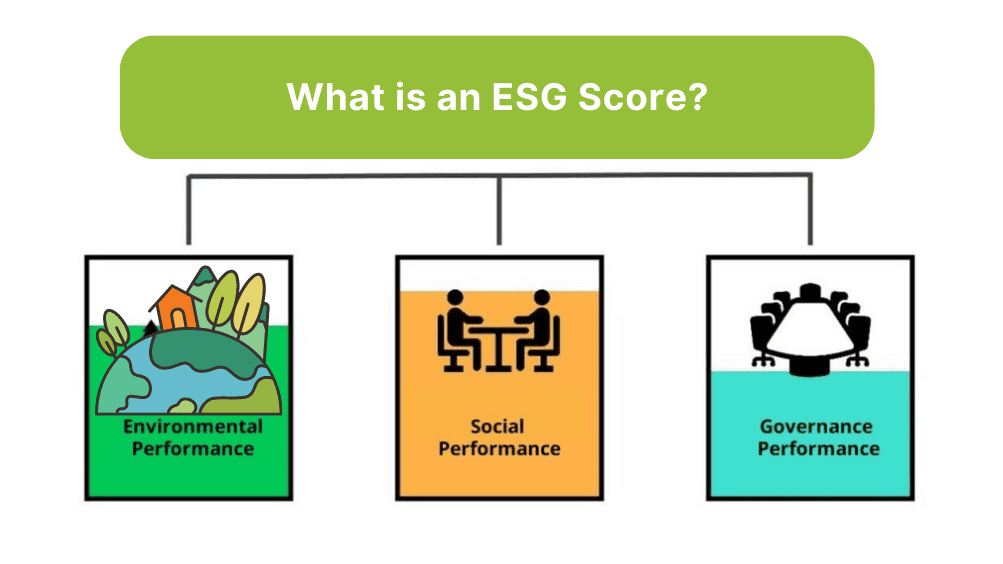
The Problem with Traditional ESG Scoring
Historically, ESG scoring relied heavily on companies’ public disclosures (annual reports, press releases) and standardized questionnaires. This approach has critical limitations:
- Reliance on Voluntary Disclosure: Companies have a financial incentive to embellish their performance, creating a positive bias.
- Lack of Granular Data: Assessment is often based on aggregated data rather than real, day-to-day actions.
- Information Lag: Scores were often updated annually, missing critical events or rapid changes in behavior.
 AI as an ESG Reality Detector
Artificial Intelligence is changing the game by leveraging massive, unstructured data sources that the human eye could never process at this scale.
1. Natural Language Processing (NLP) for Risk Monitoring
NLP allows algorithms to sift through terabytes of data in real-time:
- News and Social Media: AI scans millions of news articles, blogs, and social media posts. It doesn’t just look for the word “environment”; it identifies the overall sentiment and tone regarding a company. If a company boasts about being “green,” but recurring local complaints about pollution are being reported, the algorithm flags it.
- Contracts and Legal Documents: AI can analyze litigation, regulatory fines, and contractual clauses to detect real weaknesses in Governance (G) or abusive labor practices (S).
2. Satellite Imagery and Geospatial Analysis (E Criterion)
For the Environmental (E) criterion, AI uses remote sensing to verify the physical impact of companies:
- Emissions Monitoring: Algorithms analyze satellite images to measure light pollution, changes in land use (deforestation), or the actual size of mining tailings ponds, comparing this to the company’s official statements.
- Supply Chain Traceability: AI can map complex supply chains to identify suppliers operating in high-risk areas (forced labor or severe environmental impact), even if the parent company does not directly mention it.
3. Machine Learning to Uncover “Weak Signals”
Machine Learning excels at finding correlations that human analysts might miss.
- Scandal Prediction: By analyzing hundreds of variables (key personnel turnover, frequency of insider trading, evolution of lobbying expenses), models can predict the probability of a governance scandal before it erupts.
- Dynamic ESG Score: Scores are no longer static. They become data streams that are adjusted in real-time based on external events, offering investors a more accurate and current assessment of ethical risk.
Conclusion: Towards True Accountability
Artificial Intelligence does more than just automate ESG assessment; it democratizes and authenticates it. By cross-referencing companies’ self-disclosed data with behavioral evidence obtained from independent sources, AI makes “greenwashing” much more difficult and risky.
For fund managers and investors, AI is the new standard for due diligence. It allows them not only to filter for the most ethical companies but also to better understand the correlation between strong ESG performance and long-term financial resilience. Ethical investing is no longer just a matter of morality, but a requirement for modern risk analysis.